Hidden Corners of Rome
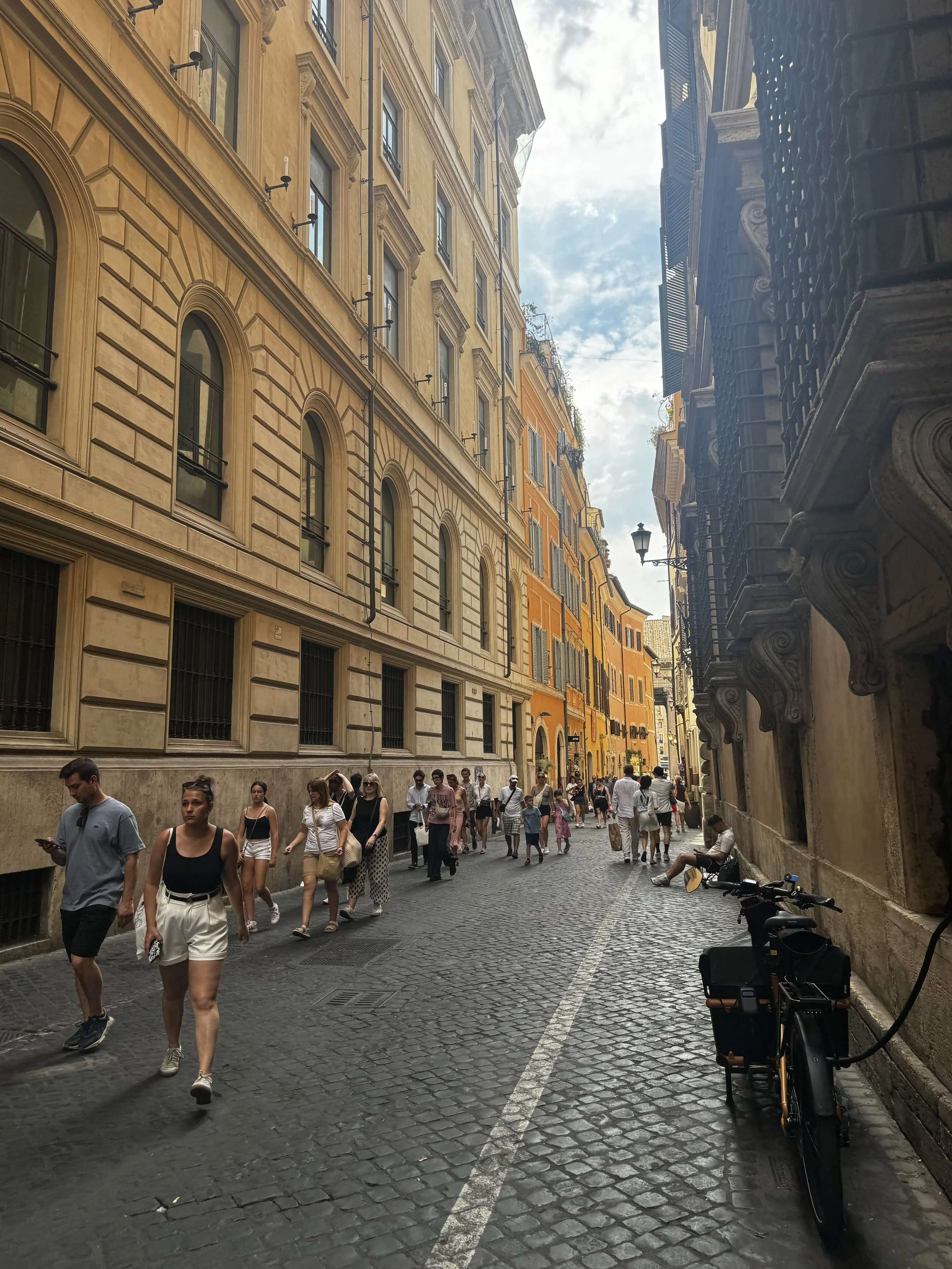
Via della Pigna, Roma
Rome is one of the most visited cities on earth, and almost all of that visiting happens in about two square miles. The Colosseum, the Trevi Fountain, the Spanish Steps, the Vatican — four stops, a hundred thousand people a day, and a version of the city that feels less like Rome than like a queue. The strange thing is how little you have to walk to escape it. Ten minutes in almost any direction and the crowds thin to nothing, and what's left is stranger and older and far more interesting than anything on the standard route. These are the corners worth finding.
Why Skip the Obvious Rome?
Not because the famous sites aren't worth it — they are, and you should see them. But Rome rewards depth over checklist completion more than almost any city, because it's built in layers. Nearly everywhere you stand, there's another city ten feet below you and a third one below that. The places on this list are where you can actually see that, or where the crowds are thin enough to feel it. Most of them are free or nearly free, and none require booking months in advance.
1. Basilica di San Clemente
A three-minute walk from the Colosseum and almost nobody goes in. San Clemente is a twelfth-century basilica built on top of a fourth-century church, which was built on top of a first-century Roman house and a temple to Mithras. You descend through all of it. At the bottom, you can hear water still running through a Roman drain that has never stopped. It's the single best illustration of how Rome actually works, and it costs less than a cocktail.
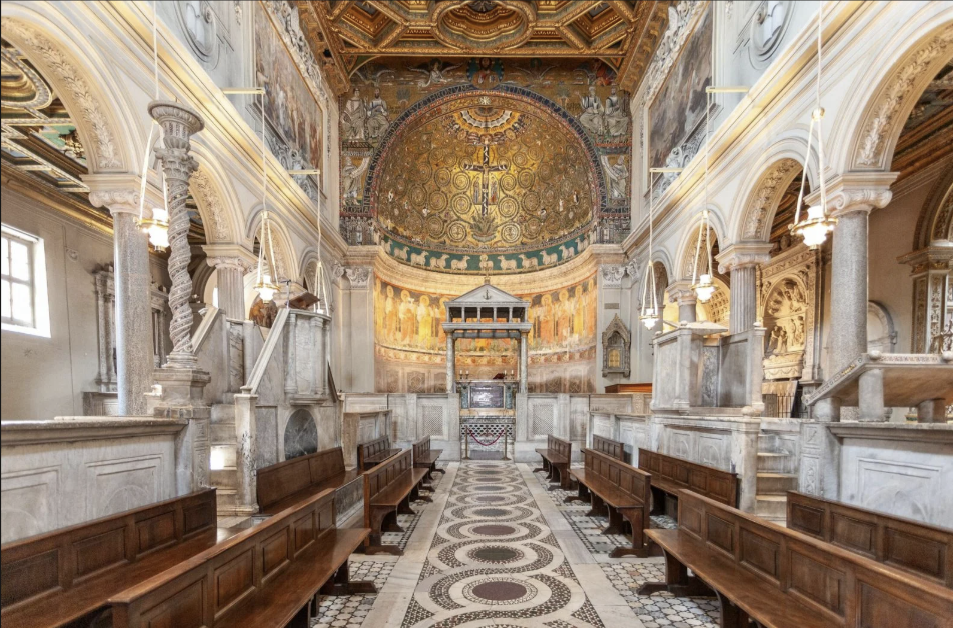
Basilica di San Clemente
2. Quartiere Coppedè
Between Piazza Buenos Aires and Via Tagliamento there's a small district that looks like it was designed for a film that was never made. Gino Coppedè built it in the 1910s and 20s, mixing medieval, baroque, and art nouveau into something with no real category — arches, turrets, chandeliers hanging over the street, and a fountain covered in frogs. It's about seventeen buildings across a few blocks, it's residential, and it's free to walk through.
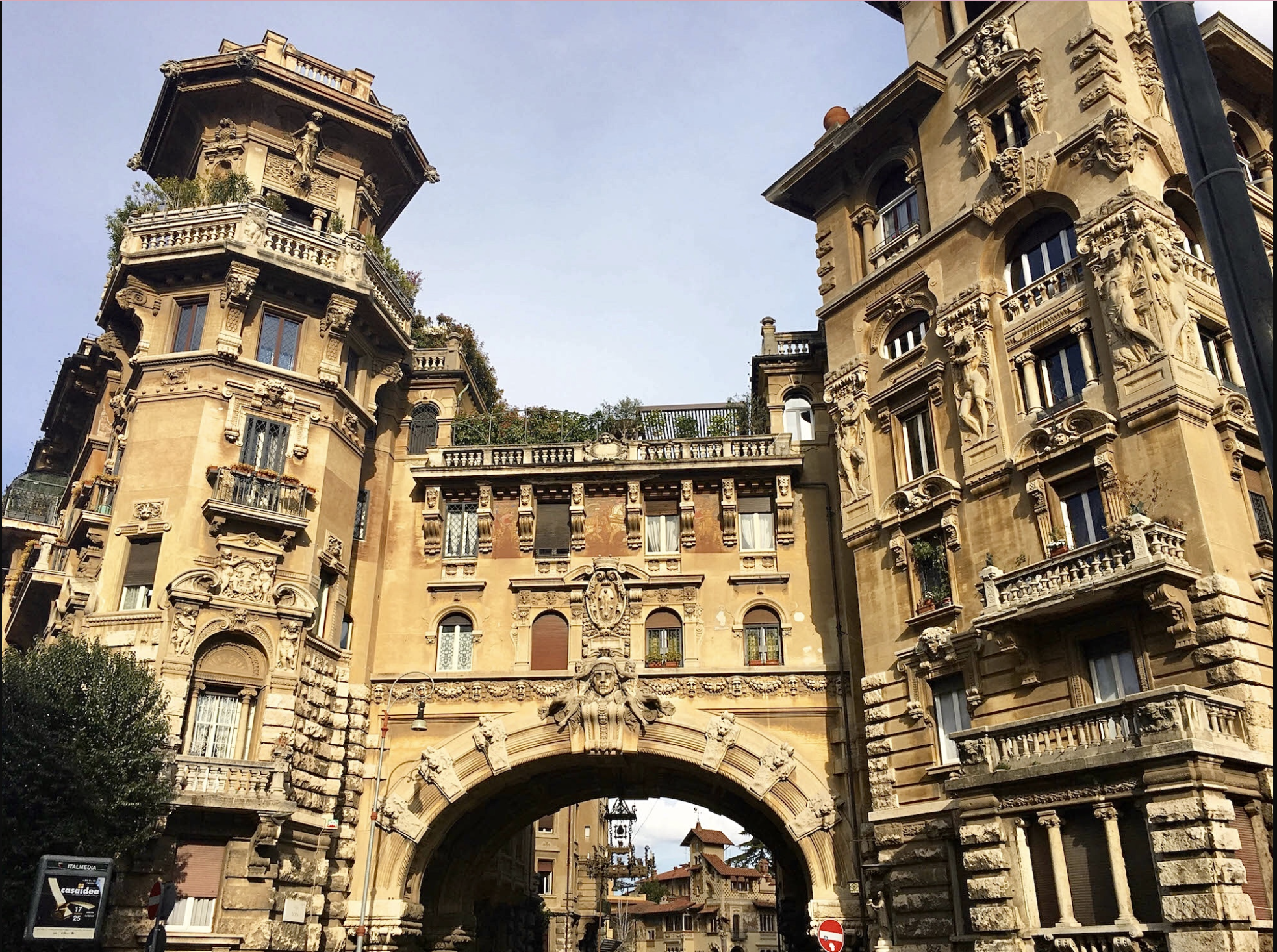
Quartiere Coppedè
3. Centrale Montemartini
An outpost of the Capitoline Museums installed inside a decommissioned thermoelectric power plant in Ostiense. Roman marble gods and emperors stand against black diesel engines and steel turbines, and the contrast is so good it feels deliberate rather than improvised — which it was, originally, as a temporary overflow space that everyone liked too much to undo. It is one of the most beautiful museums in Europe and it is reliably almost empty.
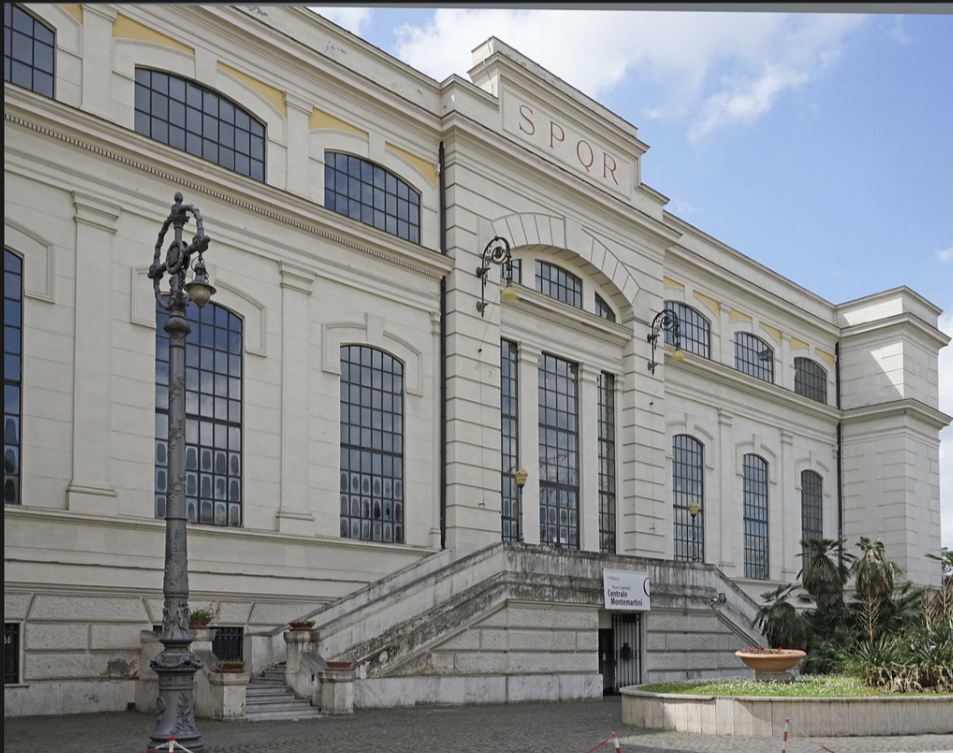
Centrale Montemartini
4. Galleria Spada
Inside the Palazzo Spada, near Campo de' Fiori, Borromini built a colonnaded gallery that appears to run about 37 metres to a life-sized statue at the far end. It runs eight. The floor rises, the columns shrink, the ceiling drops — a perspective trick so convincing that seeing someone walk into it is genuinely disorienting. The statue at the end is barely two feet tall. The gallery is small and the surrounding art collection is good; give it an hour.
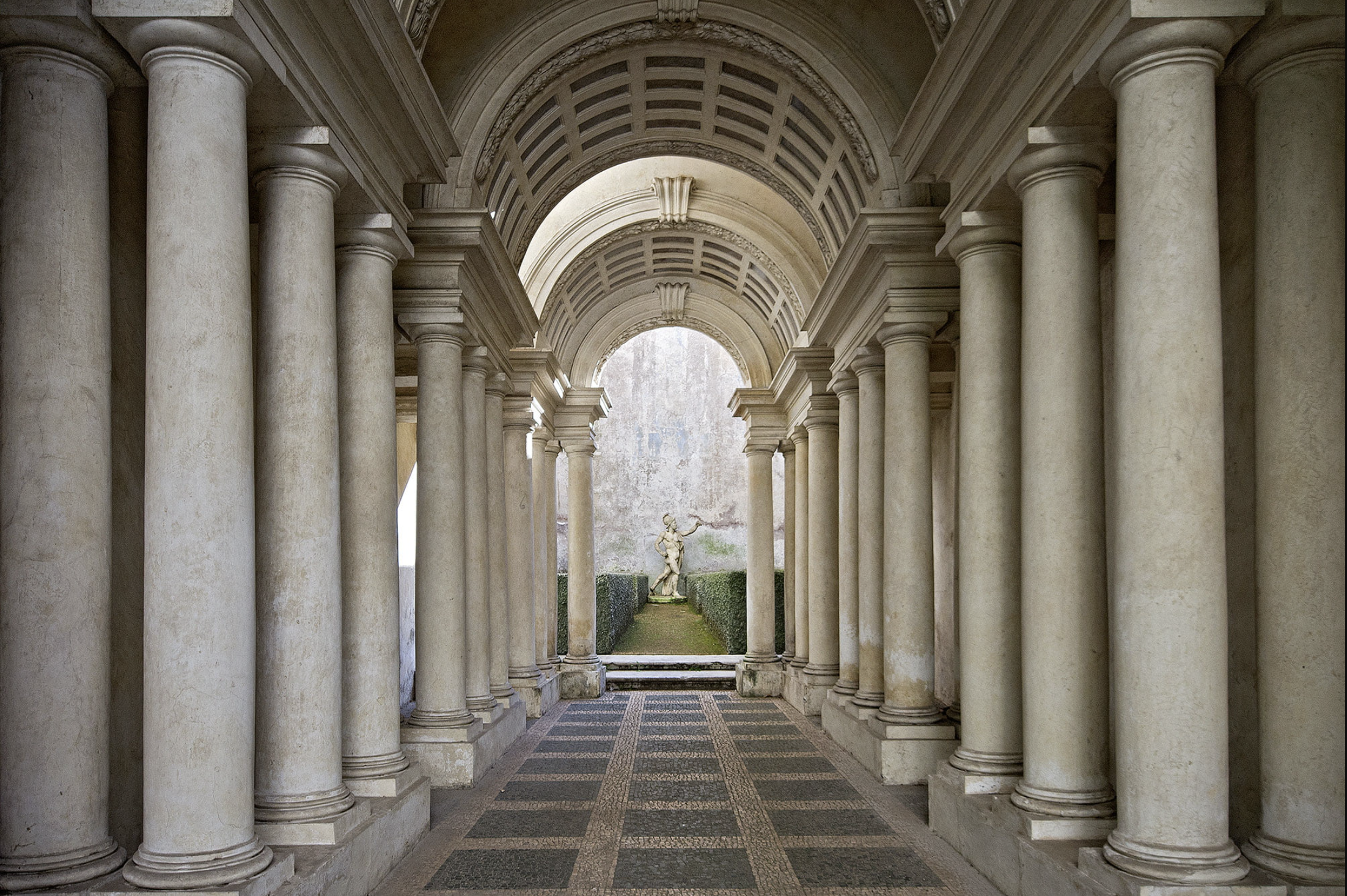
Galleria Spada
5. The Aventine Keyhole and the Orange Garden
On the Aventine Hill, the green door of the Priory of the Knights of Malta has a keyhole. Look through it and you see a hedge-lined garden path leading directly to the dome of St Peter's, perfectly framed, in a different country. There's usually a short queue now — it's no longer a secret — but the hill itself still is. Walk two minutes to the Giardino degli Aranci for an orange grove with a view over the whole city, and stop into Santa Sabina, a fifth-century basilica most people walk straight past.
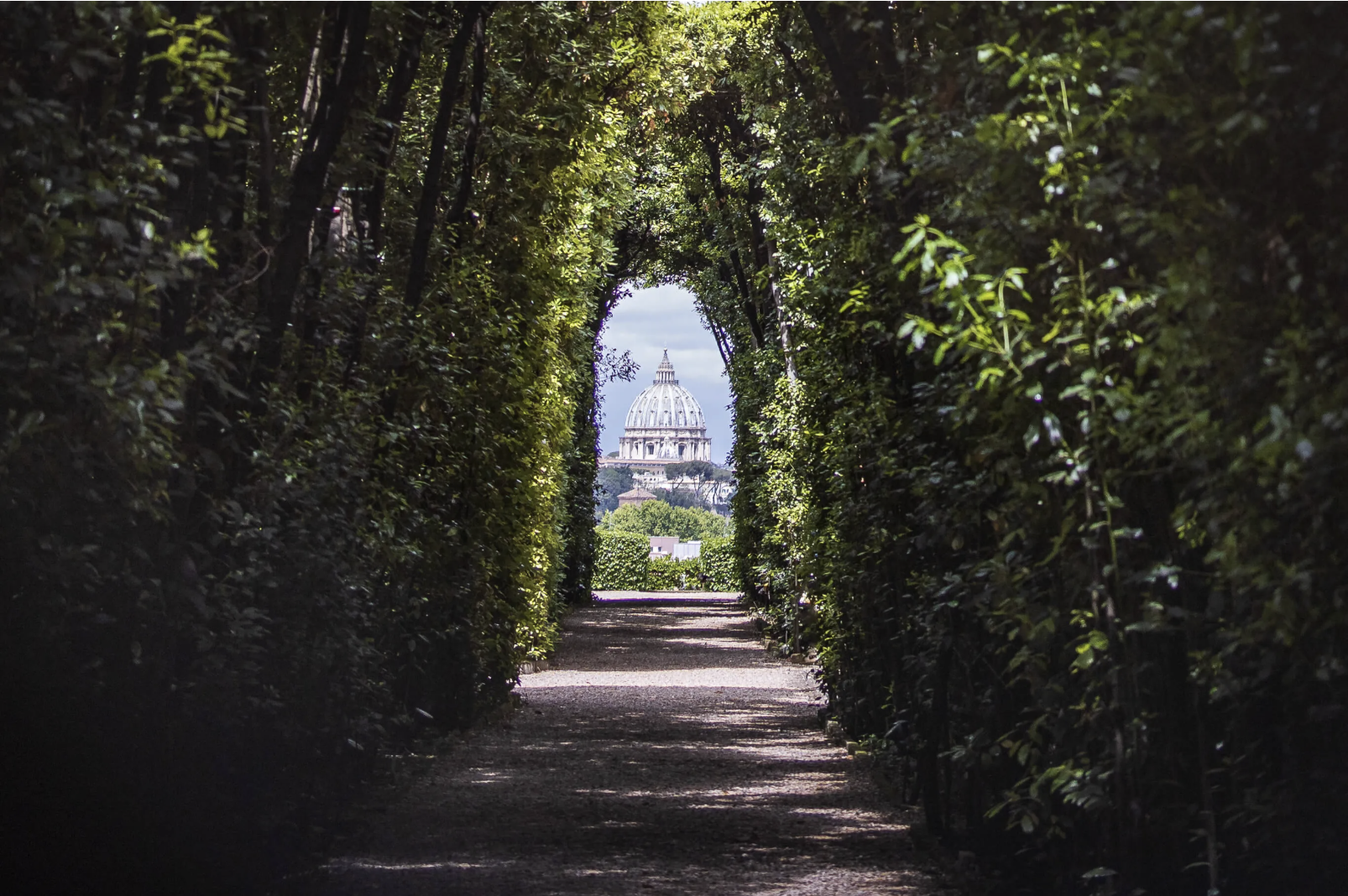
The Aventine Keyhole
6. The Non-Catholic Cemetery and the Pyramid
Near Piramide station there is an actual Egyptian-style pyramid, built as a tomb around 12 BC when Rome was briefly obsessed with all things Egyptian, later swallowed by the Aurelian Walls. Next to it, the Cimitero Acattolico is a walled garden of cypresses and cats where Keats and Shelley are both buried, along with Antonio Gramsci. It is the quietest place in Rome. Keats's stone doesn't carry his name.
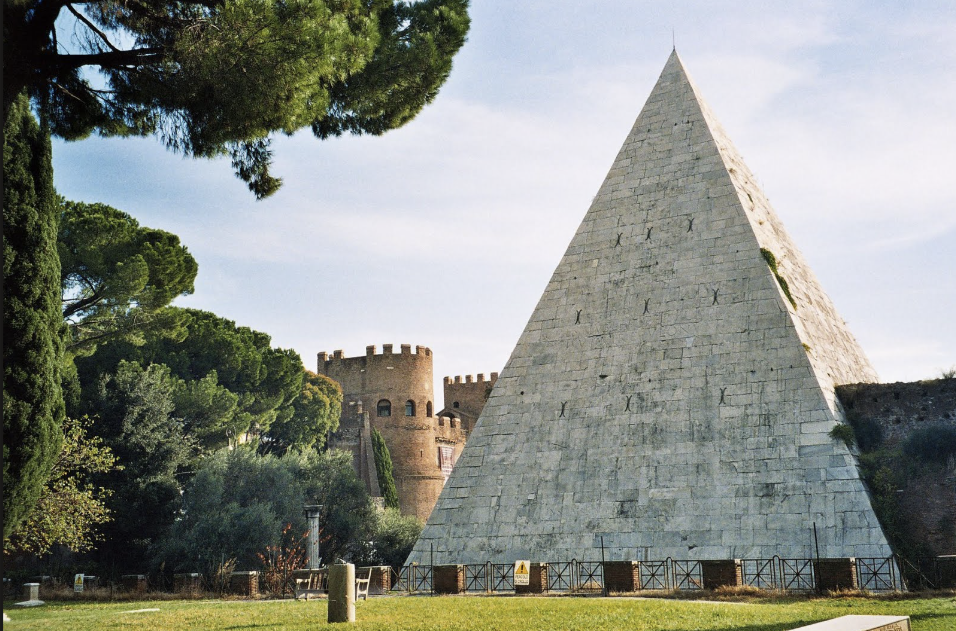
The Pyramid of Cestius
7. The False Dome of Sant'Ignazio
The church of Sant'Ignazio di Loyola ran out of money before its dome could be built, so in 1685 Andrea Pozzo painted one instead. Stand on the marble disc set into the nave floor and it is completely convincing — coffered, receding, architecturally impossible. Walk twenty feet off the mark and the whole thing collapses into a flat, warped smear. The ceiling fresco above it is one of the great works of illusionistic painting and the church is free to enter.
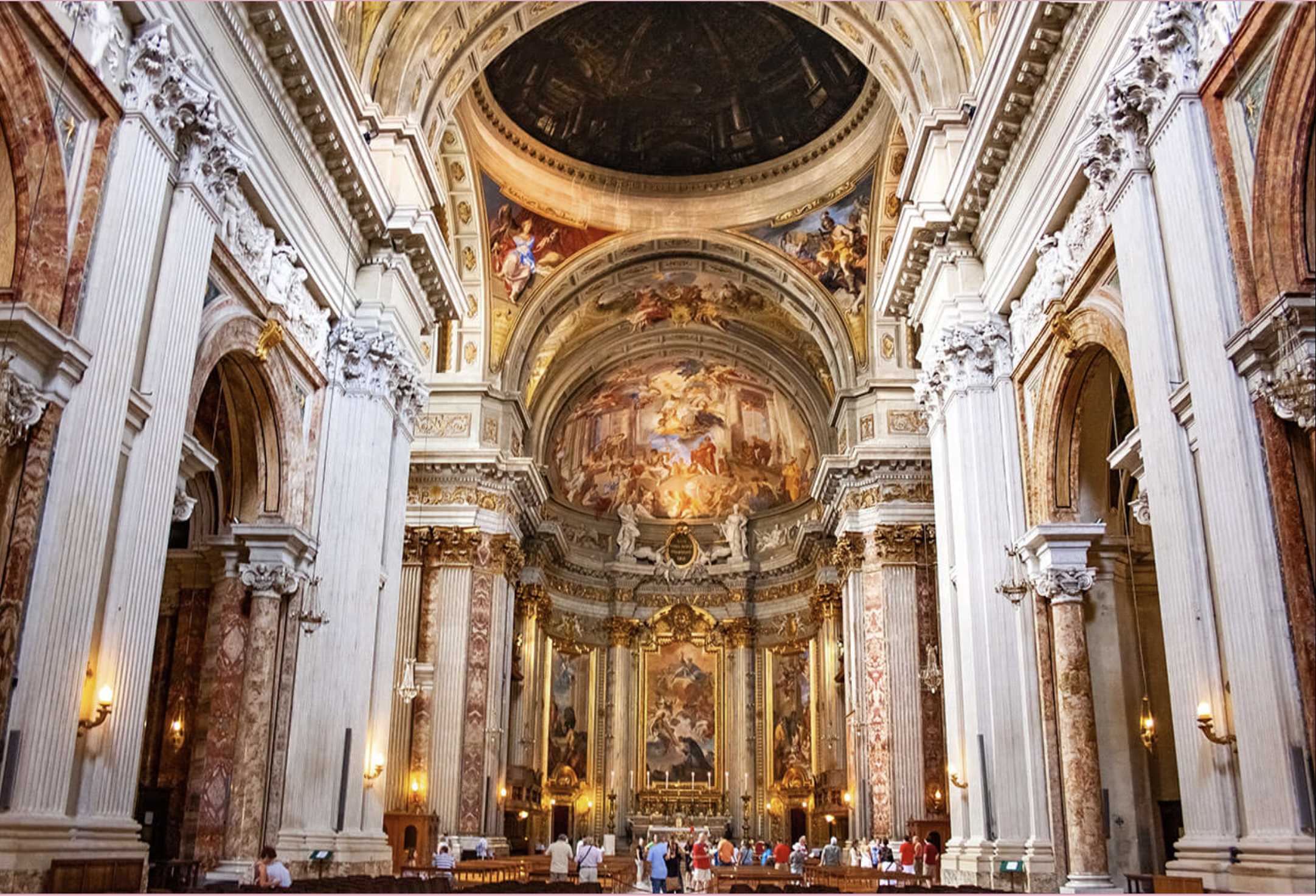
Church of Sant'Ignazio di Loyola
8. The Capuchin Crypt
Beneath Santa Maria della Concezione dei Cappuccini on Via Veneto, the skeletal remains of roughly 3,700 Capuchin friars have been arranged into the decoration of six small chapels — chandeliers of vertebrae, arches of pelvises, walls of stacked skulls. It was intended as a meditation on mortality rather than a spectacle, and it still reads that way. Sombre rather than ghoulish. Photography isn't permitted, which is part of why it stays that way.
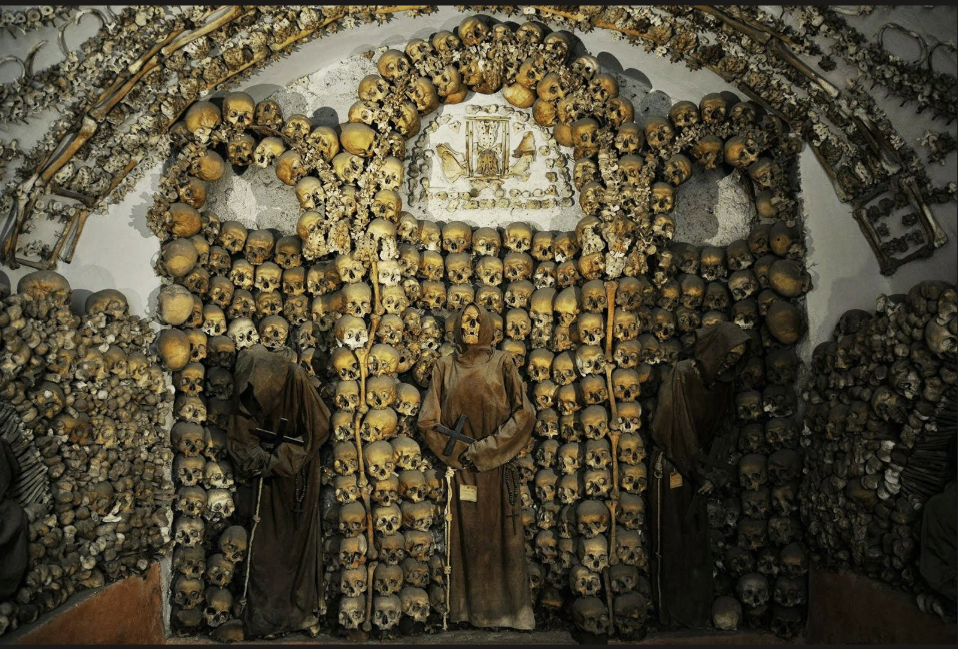
The Capuchin Crypt
9. Via Appia Antica
The Appian Way is 2,300 years old and you can still walk on the original basalt paving, rutted by cart wheels. Umbrella pines, ruined tombs, open countryside, and catacombs running underneath — San Callisto and San Sebastiano are both open to visitors. Go on a Sunday, when long stretches are closed to traffic and it's almost entirely walkers and cyclists. Rent a bike near the start; the road runs far longer than it looks.
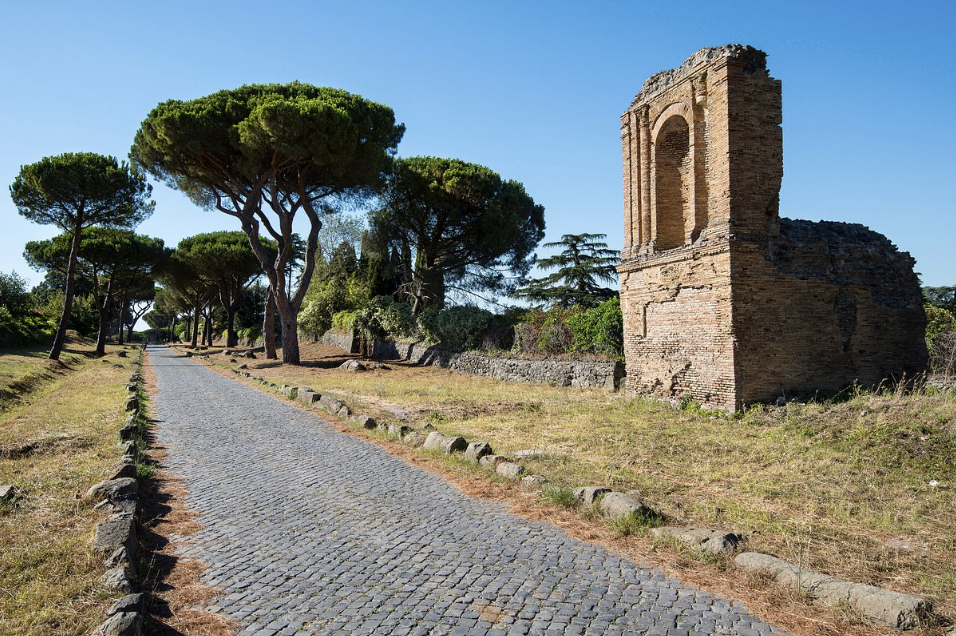
Appian Way
10. Palazzo Colonna
Still owned by the family that has held it for eight centuries, the Colonna Gallery is a baroque hall that outshines several of Rome's public museums and opens to visitors only a few mornings a week — traditionally Saturday, though check current hours before you plan around it. There's a cannonball from the 1849 siege still lodged in the staircase where it landed. Almost no one goes, because almost no one knows the door opens at all.
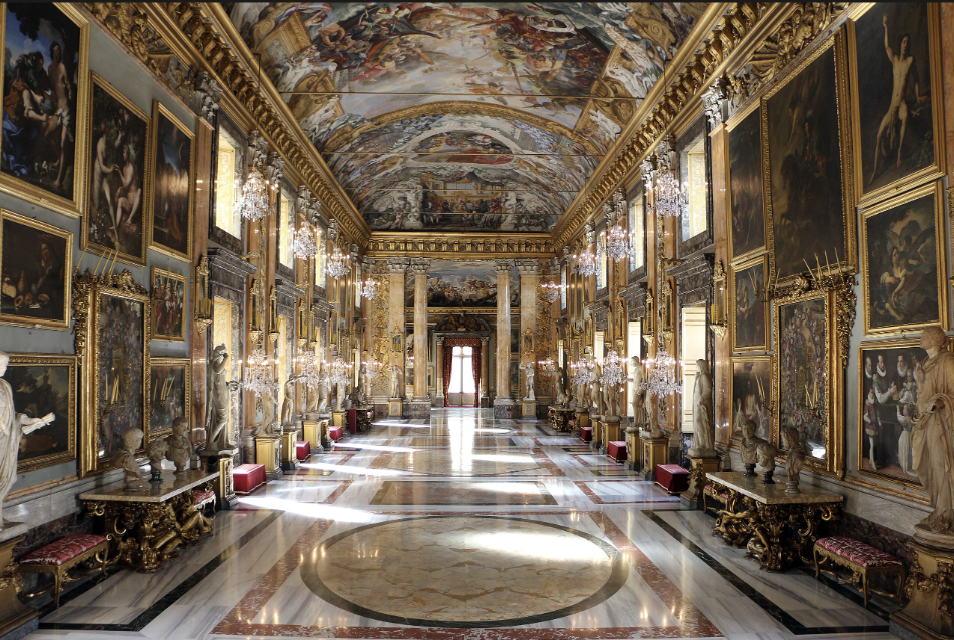
Colonna Gallery
How to Fit These Into a Trip
Cluster by neighbourhood. The Aventine, the Pyramid, the cemetery, and Centrale Montemartini all sit in the city's southern arc and make one easy day on foot.
Pair San Clemente with the Colosseum — it's a three-minute walk and a far better use of the hour than the gift shop.
Check opening hours the week you go. Roman churches close for several hours in the middle of the day, and the smaller sites keep short and shifting schedules.
Cover shoulders and knees for every church on this list. It's enforced.
Go early or late. Even the crowded parts of Rome are calm before nine, and the light is better at both ends of the day.
Planning the Rest of Europe?
If Rome is one stop on a longer trip, pair it with 10 underrated European beach destinations for the part of the trip where you stop walking, or see the best countries to visit in your 30s for where else to go.
What's the best corner of Rome you found by accident? Tell us in the comments — this is a city where the good discoveries almost always happen by wrong turn.
